Revisiting the TV show Legion
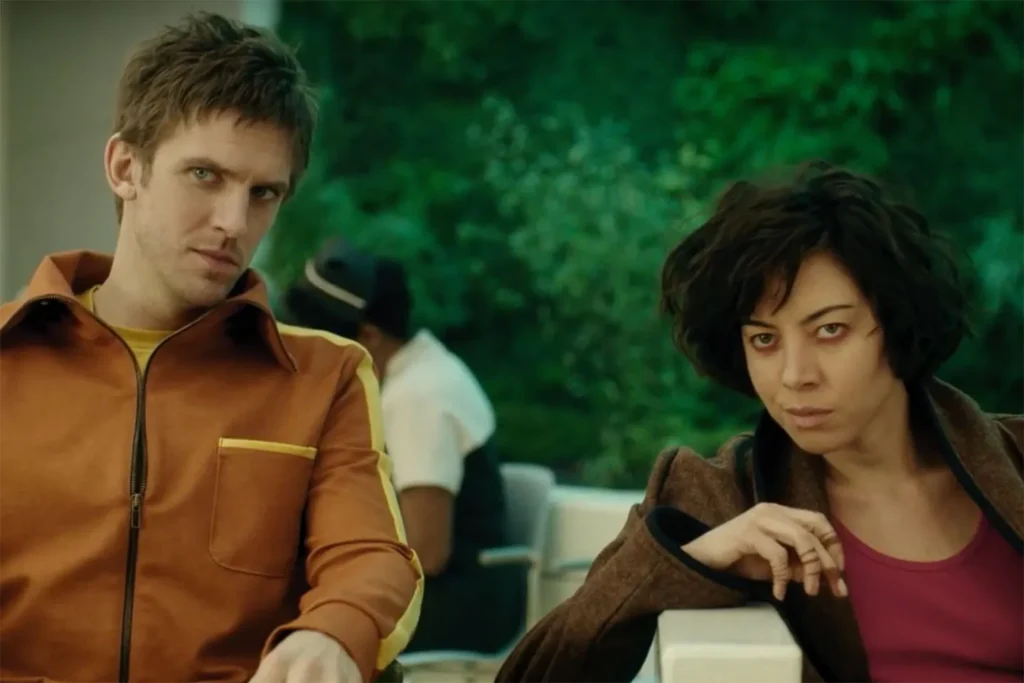
For me, the pilot episode of Legion is one of the finest hours of television ever created. The series ran for three seasons on FX, from 2017-2019. The pilot features all the hallmarks of the show: great acting, an intricate and often convoluted storyline, and fantastic cinematography. It also featured one of the series’ occasional dreamlike song and dance numbers, which somehow always managed to feel at once both unexpected and perfectly suited to the show. It’s the kind of episode you may want to watch a second time to catch everything that’s going on, so it’s not for the casual viewer. And as I learned later, it perfectly sets up everything that follows in the series.
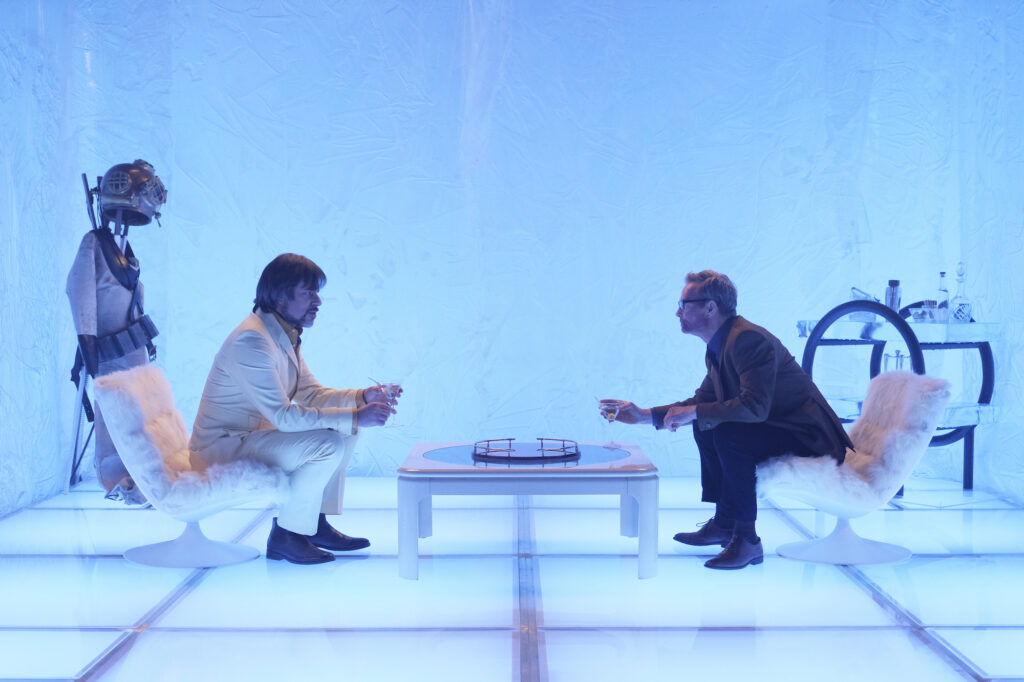
Beyond the pilot, the villain can make or break a story, and I have to say that Navid Negahban steals the show as Amahl Farouk (the Shadow King).

When it originally aired, I thoroughly enjoyed season one, felt uncertain about season two, and gave up at the start of season three. This was a common reaction to the show (search for it on Reddit if you really want to know). I recently rewatched the first two seasons, and finally watched season three, and found myself completely engrossed in all of them. If you’ve never seen the show, or gave up like I did after I certain point, I recommend revisiting it. Why did I have such a different reaction watching it this time?
One reason is that it’s easier to keep up with the show’s dense and intricate storyline when you don’t have to wait a week between episodes and months between seasons. But a deeper reason, which sunk in as I got to watching the second season again, is that the hero’s journey and boy meets girl storylines from the first season are not what the show is really about. Once I realized that, I could enjoy the show for the story it wanted to tell, instead of the story I wanted it to be the first time I watched it. To me, it’s the story of a troubled man and his troubled friends, who become his adopted family. So at its heart it is a story of a dysfunctional family (and people in a family can both love and hurt each other in the most powerful ways).
I did some checking online after finishing the series, and found an interview with Noah Hawley (the show’s creator) where he explains how he structured the story arc. He said it’s told in three acts, representing the all too common journey of someone with mental health and addiction issues: having a breakthrough and finally getting to a good place (season one), then going off your meds and spiraling (“going off your meds” represented by the end of the love story with Syd in season two), and then the final act where you either figure out how to get it together with the help of loved ones, or you don’t (season three).
Something I never picked up until I saw this video was the show’s intentional use of color. Blue indicates when David is in a good place, and you see a lot of red when he’s not. But something I did notice is that in every season the line “it’s always blue” is said at least once, in various contexts. I wasn’t sure what that meant, but now I get it.
If you liked the first season but still aren’t sure about watching the rest, I’ll recommend the small handful of stand-alone episodes from seasons two and three. They’re worth watching even if you don’t watch the rest of those seasons.
- Season 3, episode 3 (Chapter 22) is the backstory of David’s parents Charles and Gabrielle Xavier (Charles Xavier is Patrick Stewart’s character from the X-Men movies, but this is a young Charles, so it’s a different actor).
- Season 3, episode 6 (Chapter 25) echoes ST:TNG’s Inner Light episode, for Syd, and it’s a wonderful. She lives a whole other life from birth to early adulthood in the Astral plane, in the space of 20 minutes in her reality.
- In a similar vein, Season 2, episode 6 (Chapter 14) shows us what David’s life is like in various parallel universes. They all play out differently, and the storyline for one of them is quite moving.

Watching Legion again unexpectedly made me think back to the premiere of Star Wars The Phantom Menace. I saw the first Star Wars movie on opening night when I was 7. Like so many other Gen X’ers, I grew up as a Star Wars fan. And also like so many others, I had high expectations for The Phantom Menace. My thinking was that George Lucas didn’t have to answer to anyone, and had total creative control of the new trilogy. So I saw it as an opportunity to tell the kind of story we don’t normally get from a Hollywood sci-fi epic: a tragedy about the descent of a good person into evil. Instead, Anakin’s journey to becoming Darth Vader wasn’t much more than a glorified teenage temper tantrum (“Obi Wan doesn’t understand!”). Legion has a mental health lens, so the parallel isn’t exact, but for a story nominally based on a superhero comic book character, it’s a rare big budget Hollywood entry about someone finally finding his way, only to lose it again.